($40/ticket to join us online).
In-person registration includes conference attendance, a ticket to our Banquet of Belonging, and access to recorded sessions following the conference. Space is limited, register early to secure your spot.
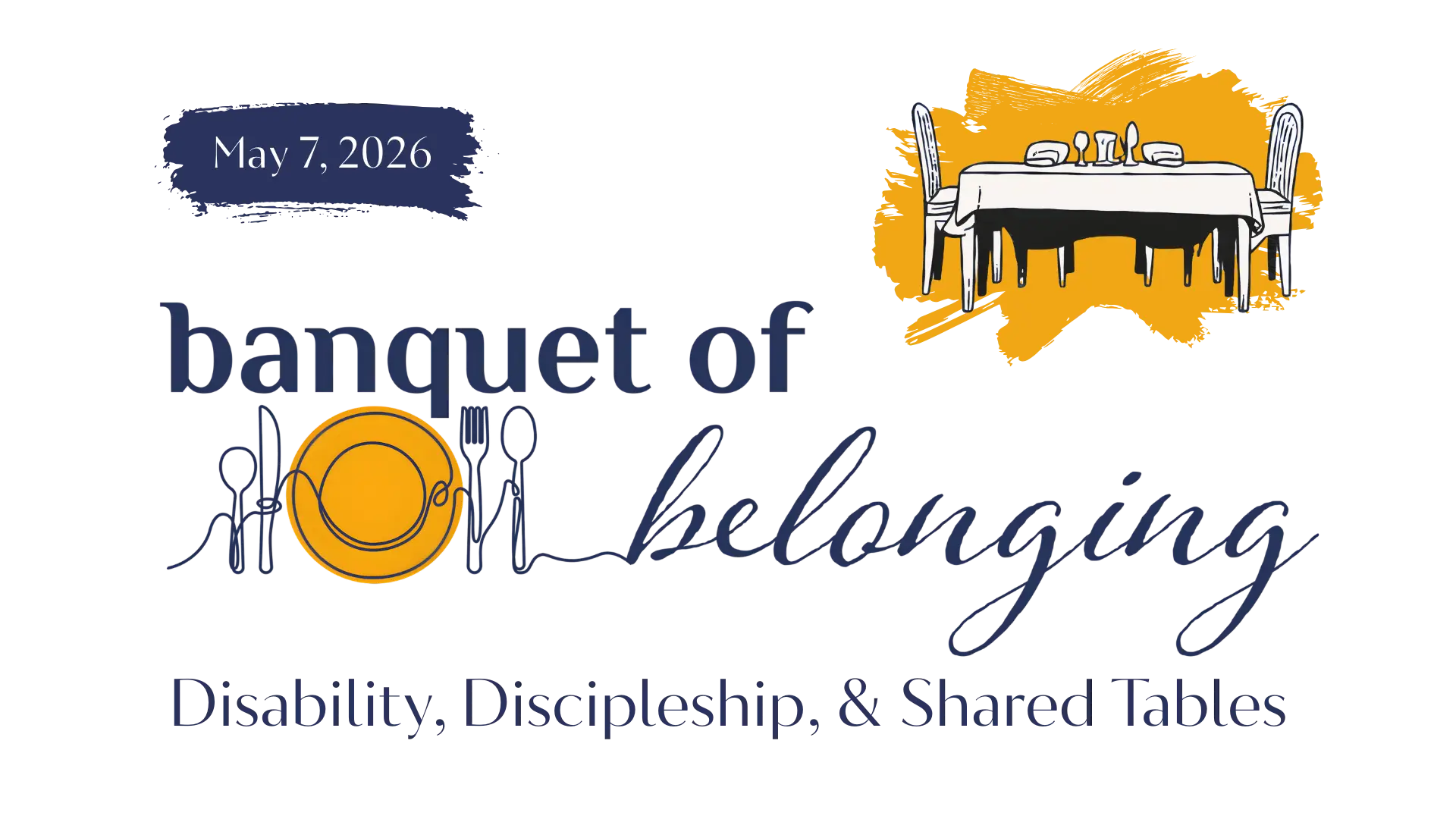
May 7, 2026
9:30AM – 4:30PM
(PDT)
May 6, 2026
Pre-Conference Event *Sold Out
May 7, 2026
9:15AM to 3:30PM
(MDT)
May 7, 2026
8:30AM – 3:30PM (CDT)
May 6, 2026
Paper Presentation
6PM – 8:30PM
(EDT)
May 7, 2026
12:00PM – 8:00PM (EDT)
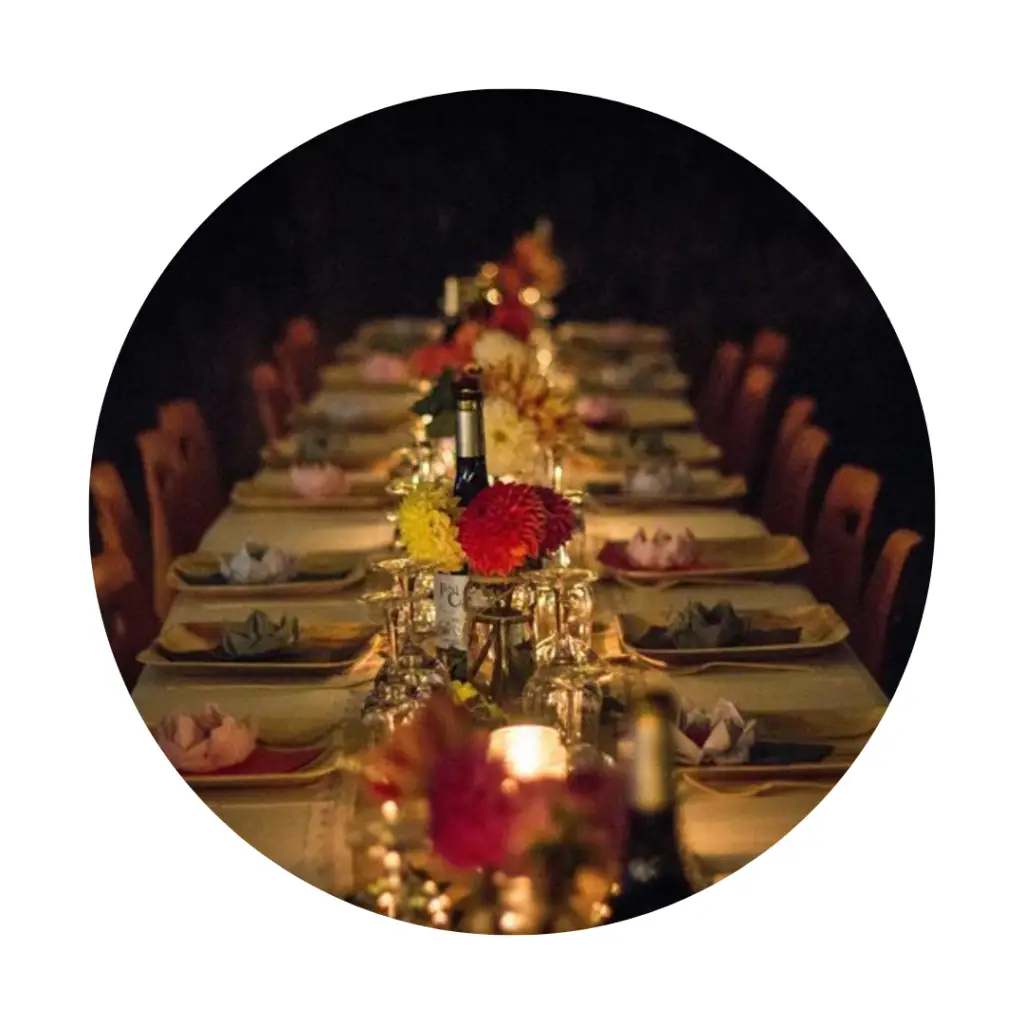
This conference gathers disabled and non-disabled Christians, pastors, and families to explore how discipleship changes when people learn from one another across differences. Sessions will address theology, access, relationships, and lived experience, grounding everything in practices that create shared tables rather than parallel ministries. Each regional gathering includes a shared meal that embodies the call: a community formed by mutual welcome, celebrated gifts, and a commitment to belong to one another.
This conference gathers disabled and non-disabled Christians, pastors, and families to explore how discipleship changes when people learn from one another across differences. Sessions will address theology, access, relationships, and lived experience, grounding everything in practices that create shared tables rather than parallel ministries. Each regional gathering includes a shared meal that embodies the call: a community formed by mutual welcome, celebrated gifts, and a commitment to belong to one another.
Daniel Rempel grew up in Niverville, Manitoba, before studying Biblical and Theological Studies at Providence and theology at Canadian Mennonite University. He later completed his PhD at the University of Aberdeen, focusing his research on intellectual disability and Christian witness. Daniel now teaches Bible and theology at Providence Downtown, where he helps students connect what they believe about God with the way they live. He lives in Winnipeg with his wife, Emily, and their two children, Henry and Lindy, and enjoys hockey, skiing, golf, soccer, running, cycling, camping, and being outside with family and friends.
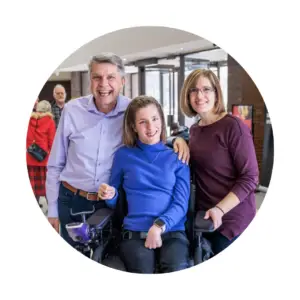
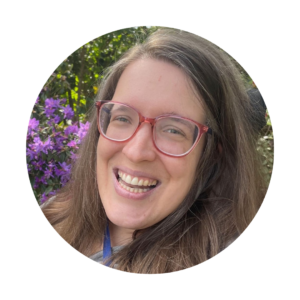
Growing up with cerebral palsy, Sarah has always wanted to encourage others who feel underestimated and not truly known, whether as a consequence of a disability or some other circumstance. She works as a speech-language pathologist, and believes that the opportunity to express ourselves and be understood – whatever form that may take – is a gift from God for all people.
Sarah has been blessed to be part of several amazing church communities, including St. John’s Vancouver Anglican Church, which she has attended for 11 years. Through true friendships built with family in Christ, Sarah continues to learn more about how we can value interdependence and experience Jesus’ great compassion in our pain and weakness, without denying that pain. Dogs are guaranteed to bring a smile to her face, and she enjoys sci-fi TV and fantasy games.
Daniel Rempel grew up in Niverville, Manitoba, before studying Biblical and Theological Studies at Providence and theology at Canadian Mennonite University. He later completed his PhD at the University of Aberdeen, focusing his research on intellectual disability and Christian witness. Daniel now teaches Bible and theology at Providence Downtown, where he helps students connect what they believe about God with the way they live. He lives in Winnipeg with his wife, Emily, and their two children, Henry and Lindy, and enjoys hockey, skiing, golf, soccer, running, cycling, camping, and being outside with family and friends.
Growing up with cerebral palsy, Sarah has always wanted to encourage others who feel underestimated and not truly known, whether as a consequence of a disability or some other circumstance. She works as a speech-language pathologist, and believes that the opportunity to express ourselves and be understood – whatever form that may take – is a gift from God for all people.
Sarah has been blessed to be part of several amazing church communities, including St. John’s Vancouver Anglican Church, which she has attended for 11 years. Through true friendships built with family in Christ, Sarah continues to learn more about how we can value interdependence and experience Jesus’ great compassion in our pain and weakness, without denying that pain. Dogs are guaranteed to bring a smile to her face, and she enjoys sci-fi TV and fantasy games.
“Being and Belonging in the Body”
Belonging is a primal human need. What response can Christians offer to this need? And what does disability have to do with it? In this session, Daniel will examine the concept of belonging within churches. Belonging is related to the important work of disability advocacy, particularly around accessibility. Accessibility is an important prerequisite to belonging, but it is not the same. Rather, creating spaces of belonging must go beyond mere accessibility, as getting someone in the door does not mean that they belong.
Resourcing the work of disability theologians, Daniel will examine Paul’s words on the body of Christ in 1 Corinthians 12 to see what it can teach us about belonging and disability. In developing a Christian account of belonging along these lines, we see how Paul’s account of the body of Christ, rooted in the gift-giving work of the Spirit, can help us to work towards an understanding of churches where everyone belongs, regardless of ability.
“Belonging in Family and Faith”
The Sanderson’s explore what it truly means to belong—at home, in the church, and in our wider communities. Rooted in their shared family story and lived experience, this session weaves together faith, vulnerability, and practical wisdom.
Together, they reflect on how families are shaped by love, limits, care, and mutual dependence, and how faith communities can become places where those realities are named and honoured rather than hidden.
The Sanderson’s invite us to consider how belonging grows through relationships rather than programs, and how family life—especially when shaped by disability, difference, or caregiving—reveals a deeper vision of faith marked by grace, patience, and shared life.
“From Barriers to Belonging: Disability and the Life of the Church”
The Kingdom of God is made up of image-bearers, each uniquely gifted with different abilities, yet our faith communities do not always reflect that reality. If our churches are filled with God-fearing, compassionate, and loving disciples who genuinely care for others, why is there often a disconnect between our visible faith communities and the fullness of the Kingdom of God, particularly when it comes to those with disabilities who are themselves image-bearers?
Whether the barriers are fear, lack of understanding, misplaced pity, or something else, if the church is to reflect the LORD’s Kingdom faithfully, she must be equipped, encouraged, and, at times, gently enlightened. In this breakout session, we will explore the importance of meaningful community engagement, both within the church and beyond its walls. Together, we will discuss the challenges present in our congregations and in the broader community, and consider practical ways many communities are working to overcome these barriers and cultivate environments that are truly welcoming, accessible, and inclusive.
“Prioritized Intelligibility: How the local church can begin to faithfully and systematically embed inclusion into its’ daily life and work.”
Often churches seek to support inclusion within ministry contexts through intensive, 1:1 supports. While this is a great first step, sustainability and real flourishing depends on stronger, more robust systems embedded in the foundational operations of the Church. The work of inclusion exists beyond the walls of the children’s ministry and should impact all church functions for long term viability. It’s not just about belonging in childhood but belonging in all ages and stages of life. Societally, disability is no longer a question of if but when. When individuals either have or experience disability, how is the church designed to embrace them and position them as needed, co-labourers in the edification of the church and participants in the ministry of reconciliation?
“Disability, Relationships, and the Life of the Family”
In this breakout session, Dr. Estera Boldut will offer a systemic and relational perspective on the lived experience of families who have a member with a disability. Drawing from her work as a couple and family therapist, supervisor, and educator, she will explore how disability is not only an individual experience but one that shapes family dynamics, attachment patterns, caregiving roles, and meaning-making processes.
This session will invite participants to consider how families navigate resilience, grief, identity, and belonging, while also engaging the broader relational and spiritual contexts in which they live. Particular attention will be given to the ways communities of faith can move beyond inclusion as accommodation toward genuine mutuality, where the presence and contributions of individuals with disabilities transform the life of the whole community.
Participants can expect a reflective and clinically grounded conversation that integrates systemic thinking, compassion, and practical insights for supporting families with wisdom and care.
“From Barriers to Belonging: Disability and the Life of the Church”
The Kingdom of God is made up of image-bearers, each uniquely gifted with different abilities, yet our faith communities do not always reflect that reality. If our churches are filled with God-fearing, compassionate, and loving disciples who genuinely care for others, why is there often a disconnect between our visible faith communities and the fullness of the Kingdom of God, particularly when it comes to those with disabilities who are themselves image-bearers?
Whether the barriers are fear, lack of understanding, misplaced pity, or something else, if the church is to reflect the LORD’s Kingdom faithfully, she must be equipped, encouraged, and, at times, gently enlightened. In this breakout session, we will explore the importance of meaningful community engagement, both within the church and beyond its walls. Together, we will discuss the challenges present in our congregations and in the broader community, and consider practical ways many communities are working to overcome these barriers and cultivate environments that are truly welcoming, accessible, and inclusive.
“Prioritized Intelligibility: How the local church can begin to faithfully and systematically embed inclusion into its’ daily life and work.”
Often churches seek to support inclusion within ministry contexts through intensive, 1:1 supports. While this is a great first step, sustainability and real flourishing depends on stronger, more robust systems embedded in the foundational operations of the Church. The work of inclusion exists beyond the walls of the children’s ministry and should impact all church functions for long term viability. It’s not just about belonging in childhood but belonging in all ages and stages of life. Societally, disability is no longer a question of if but when. When individuals either have or experience disability, how is the church designed to embrace them and position them as needed, co-labourers in the edification of the church and participants in the ministry of reconciliation?
“Disability, Relationships, and the Life of the Family”
In this breakout session, Dr. Estera Boldut will offer a systemic and relational perspective on the lived experience of families who have a member with a disability. Drawing from her work as a couple and family therapist, supervisor, and educator, she will explore how disability is not only an individual experience but one that shapes family dynamics, attachment patterns, caregiving roles, and meaning-making processes.
This session will invite participants to consider how families navigate resilience, grief, identity, and belonging, while also engaging the broader relational and spiritual contexts in which they live. Particular attention will be given to the ways communities of faith can move beyond inclusion as accommodation toward genuine mutuality, where the presence and contributions of individuals with disabilities transform the life of the whole community.
Participants can expect a reflective and clinically grounded conversation that integrates systemic thinking, compassion, and practical insights for supporting families with wisdom and care.
“Sweet Conversations at the Banquet of Belonging”
The Banquet of Belonging isn’t just a fabled dream — it is something that happens when people gather around a table of hospitality, share stories, and discover they are not alone.
Join us Wednesday evening for a relaxed dessert night as Ron & Teresa Buschman share conversation with Erik & Bonnie Freiburger about marriage, relationships, and building a life together while navigating spinal cord injuries and disability for most of their lives. Centred around dessert and conversation, they’ll share honest stories of love, challenge, humour, faith,
and the unexpected ways disability can shape partnership and deepen connection with one another and the communities we are a part of.
Like any good banquet, this evening isn’t about having all the right answers — it’s about gathering together, listening well, and discovering how belonging grows when we learn to support one another with vulnerability, grace, and mutual care.
Come enjoy dessert, settle in, and be part of a conversation that reminds us God’s table is wide, welcoming, and always being expanded.
“Being and Belonging in the Body”
Belonging is a primal human need. What response can Christians offer to this need? And what does disability have to do with it? In this session, Daniel will examine the concept of belonging within churches. Belonging is related to the important work of disability advocacy, particularly around accessibility. Accessibility is an important prerequisite to belonging, but it is not the same. Rather, creating spaces of belonging must go beyond mere accessibility, as getting someone in the door does not mean that they belong.
Resourcing the work of disability theologians, Daniel will examine Paul’s words on the body of Christ in 1 Corinthians 12 to see what it can teach us about belonging and disability. In developing a Christian account of belonging along these lines, we see how Paul’s account of the body of Christ, rooted in the gift-giving work of the Spirit, can help us to work towards an understanding of churches where everyone belongs, regardless of ability.
“Belonging in Family and Faith”
The Sanderson’s explore what it truly means to belong—at home, in the church, and in our wider communities. Rooted in their shared family story and lived experience, this session weaves together faith, vulnerability, and practical wisdom.
Together, they reflect on how families are shaped by love, limits, care, and mutual dependence, and how faith communities can become places where those realities are named and honoured rather than hidden.
The Sanderson’s invite us to consider how belonging grows through relationships rather than programs, and how family life—especially when shaped by disability, difference, or caregiving—reveals a deeper vision of faith marked by grace, patience, and shared life.
“Preparing the Banquet: First Steps Toward Accessibility”
If we think of an inclusive church as being a banquet to which disabled and abled people are invited, what are the preparations that we need to make before the guests arrive? Accessibility is much more than an elevator or a wheelchair ramp. Congregations need to ask hard questions about accessibility before a family with disabilities arrive. Effective accessibility is action and not just reaction.
“Disrupting Images of Church”
In 2021 Rev. Dr. Allen Jorgenson and Dr. Laura MacGregor spent several months listening to the stories of parents raising children with disabilities as part of a research project funded by the Louisville Institute. Their goal was to understand the faith journeys and spiritual care needs of these parents – not only those who attended church faithfully, but also those who had left their faith community. Unfortunately, most parents in the study described church as “unsafe,” even those who attended church regularly. Church felt exclusive, and parents often felt judged. This was particularly true for parents of neurodiverse children, in particular children on the autism spectrum.
As part of the interview, parents were asked to describe their relationship with church using an image. Images included a pointed finger, an excluding circle, and a cruise ship while parents floated behind on a dinghy. Using illustrative sketches by artist Wendy Newbery, this interactive workshop will explore troubling images of church before collectively imagining and imaging effective spiritual care and radically inclusive communities.
“Church, not Respite: Connecting and Teaching the Neurodivergent Child”
This workshop will explore how therapeutic approaches can be applied in children’s ministry to engage neurodivergent children—including non/minimally speaking children and those with diverse or unknown cognitive/intellectual profiles—in order to communicate the gospel in meaningful, accessible ways.
“Preparing the Banquet: First Steps Toward Accessibility”
If we think of an inclusive church as being a banquet to which disabled and abled people are invited, what are the preparations that we need to make before the guests arrive? Accessibility is much more than an elevator or a wheelchair ramp. Congregations need to ask hard questions about accessibility before a family with disabilities arrive. Effective accessibility is action and not just reaction.
“Disrupting Images of Church”
In 2021 Rev. Dr. Allen Jorgenson and Dr. Laura MacGregor spent several months listening to the stories of parents raising children with disabilities as part of a research project funded by the Louisville Institute. Their goal was to understand the faith journeys and spiritual care needs of these parents – not only those who attended church faithfully, but also those who had left their faith community. Unfortunately, most parents in the study described church as “unsafe,” even those who attended church regularly. Church felt exclusive, and parents often felt judged. This was particularly true for parents of neurodiverse children, in particular children on the autism spectrum.
As part of the interview, parents were asked to describe their relationship with church using an image. Images included a pointed finger, an excluding circle, and a cruise ship while parents floated behind on a dinghy. Using illustrative sketches by artist Wendy Newbery, this interactive workshop will explore troubling images of church before collectively imagining and imaging effective spiritual care and radically inclusive communities.
“Church, not Respite: Connecting and Teaching the Neurodivergent Child”
This workshop will explore how therapeutic approaches can be applied in children’s ministry to engage neurodivergent children—including non/minimally speaking children and those with diverse or unknown cognitive/intellectual profiles—in order to communicate the gospel in meaningful, accessible ways.
“Being and Belonging in the Body”
Belonging is a primal human need. What response can Christians offer to this need? And what does disability have to do with it? In this session, Daniel will examine the concept of belonging within churches. Belonging is related to the important work of disability advocacy, particularly around accessibility. Accessibility is an important prerequisite to belonging, but it is not the same. Rather, creating spaces of belonging must go beyond mere accessibility, as getting someone in the door does not mean that they belong.
Resourcing the work of disability theologians, Daniel will examine Paul’s words on the body of Christ in 1 Corinthians 12 to see what it can teach us about belonging and disability. In developing a Christian account of belonging along these lines, we see how Paul’s account of the body of Christ, rooted in the gift-giving work of the Spirit, can help us to work towards an understanding of churches where everyone belongs, regardless of ability.
“Belonging in Family and Faith”
The Sanderson’s explore what it truly means to belong—at home, in the church, and in our wider communities. Rooted in their shared family story and lived experience, this session weaves together faith, vulnerability, and practical wisdom.
Together, they reflect on how families are shaped by love, limits, care, and mutual dependence, and how faith communities can become places where those realities are named and honoured rather than hidden.
The Sanderson’s invite us to consider how belonging grows through relationships rather than programs, and how family life—especially when shaped by disability, difference, or caregiving—reveals a deeper vision of faith marked by grace, patience, and shared life.
“The Parable of Life with a Child with a Disability”
John Van Sloten share stories about how he has come to know God more through his relationship with his son Edward. With few words Edward communicates a deep wisdom about what it means to be yourself, receive life, and embrace weakness. He’s taught me more about God than anyone else.
“Being and Belonging in the Body”
Belonging is a primal human need. What response can Christians offer to this need? And what does disability have to do with it? In this session, Daniel will examine the concept of belonging within churches. Belonging is related to the important work of disability advocacy, particularly around accessibility. Accessibility is an important prerequisite to belonging, but it is not the same. Rather, creating spaces of belonging must go beyond mere accessibility, as getting someone in the door does not mean that they belong.
Resourcing the work of disability theologians, Daniel will examine Paul’s words on the body of Christ in 1 Corinthians 12 to see what it can teach us about belonging and disability. In developing a Christian account of belonging along these lines, we see how Paul’s account of the body of Christ, rooted in the gift-giving work of the Spirit, can help us to work towards an understanding of churches where everyone belongs, regardless of ability.
“Belonging in Family and Faith”
The Sanderson’s explore what it truly means to belong—at home, in the church, and in our wider communities. Rooted in their shared family story and lived experience, this session weaves together faith, vulnerability, and practical wisdom.
Together, they reflect on how families are shaped by love, limits, care, and mutual dependence, and how faith communities can become places where those realities are named and honoured rather than hidden.
The Sanderson’s invite us to consider how belonging grows through relationships rather than programs, and how family life—especially when shaped by disability, difference, or caregiving—reveals a deeper vision of faith marked by grace, patience, and shared life.
“Preparing the Banquet: First Steps Toward Accessibility”
If we think of an inclusive church as being a banquet to which disabled and abled people are invited, what are the preparations that we need to make before the guests arrive? Accessibility is much more than an elevator or a wheelchair ramp. Congregations need to ask hard questions about accessibility before a family with disabilities arrive. Effective accessibility is action and not just reaction.
“Church, not Respite: Connecting and Teaching the Neurodivergent Child”
This workshop will explore how therapeutic approaches can be applied in children’s ministry to engage neurodivergent children—including non/minimally speaking children and those with diverse or unknown cognitive/intellectual profiles—in order to communicate the gospel in meaningful, accessible ways.